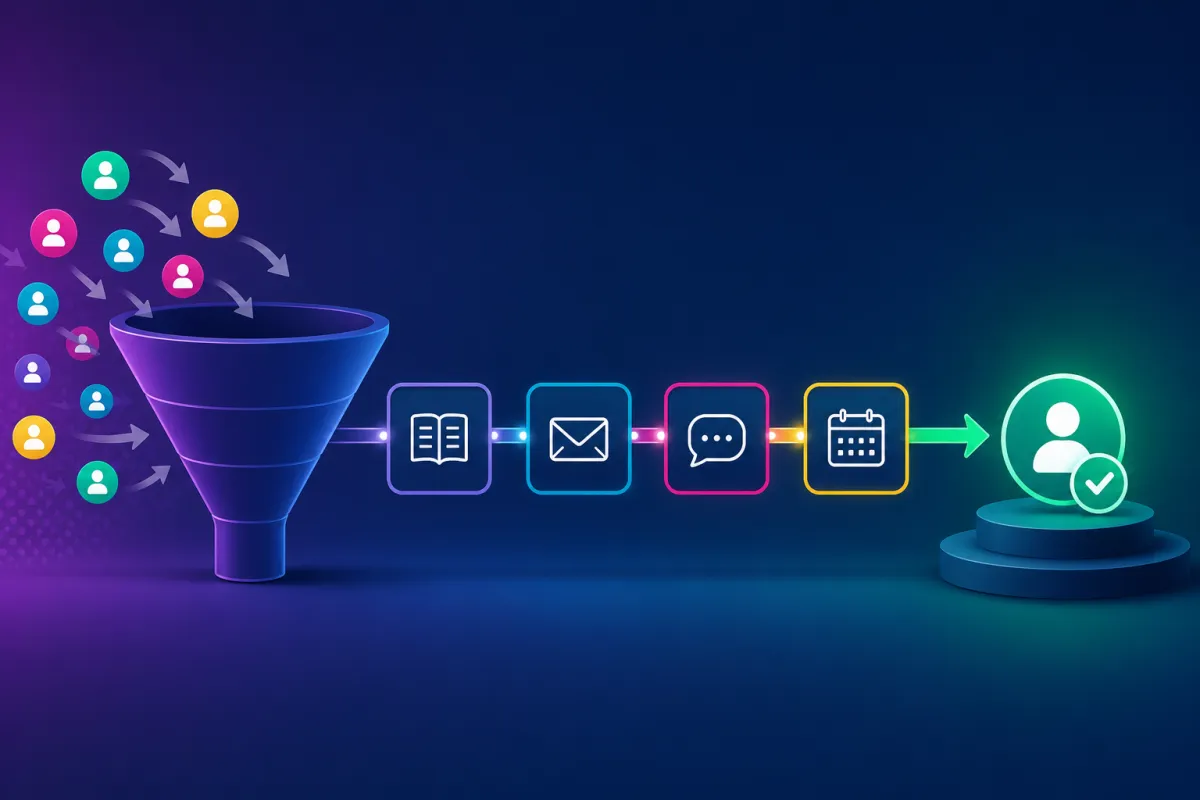
Why Most Businesses Don’t Have a Lead Quality Problem
Why Most Businesses Don't Actually Have a Lead Quality Problem
One of the most common phrases heard in sales and marketing meetings is:
"Our leads are poor quality."
It's an easy conclusion to reach when enquiries aren't turning into customers. Forms are being completed, phone numbers are being collected, and appointments are being booked, but sales aren't happening.
The natural reaction is to blame the leads.
But what if the leads aren't actually the problem?
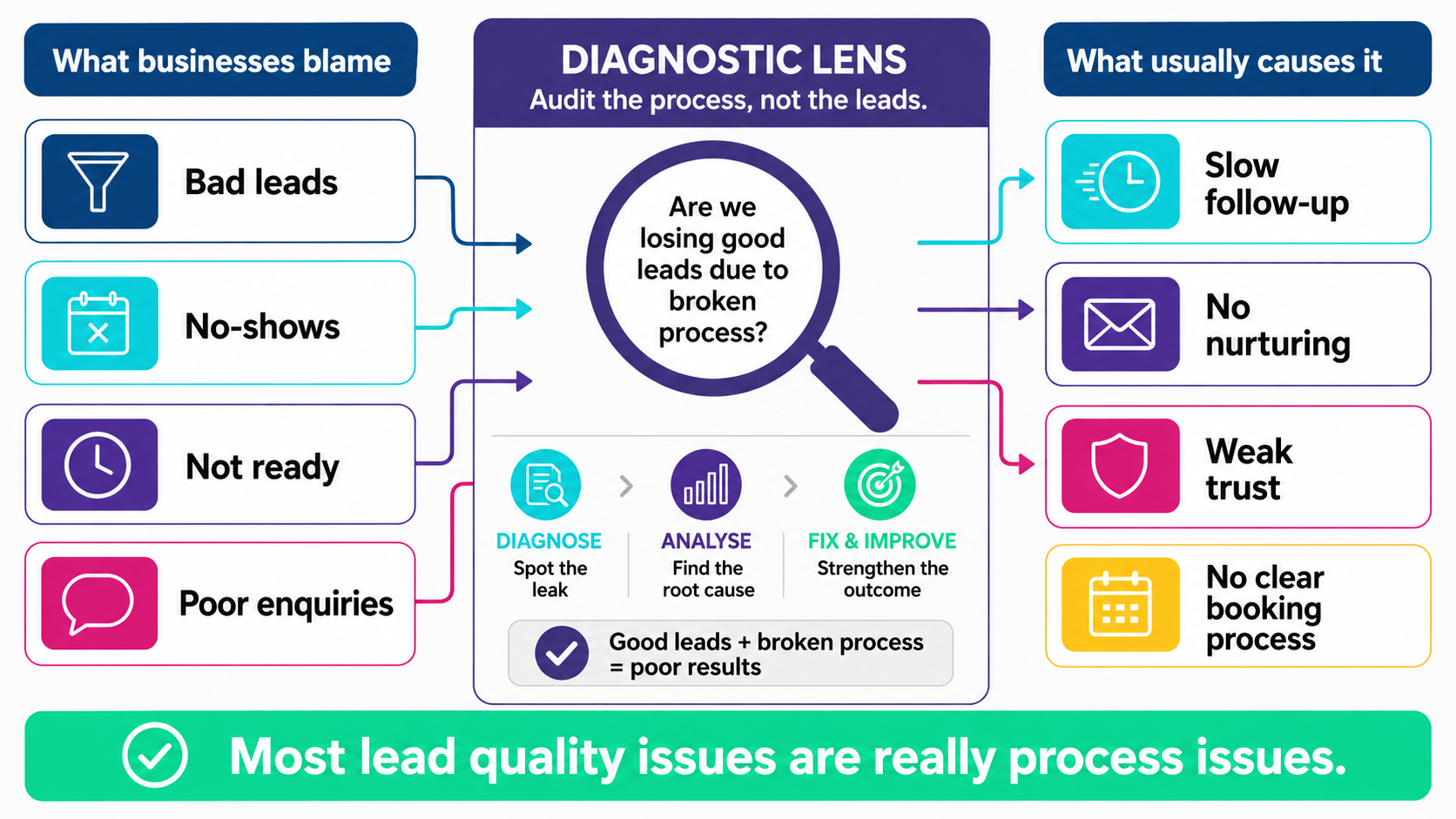
After working with businesses across a range of industries, we've found that most companies don't have a lead quality problem at all. They have a process problem.
What Businesses Mean When They Say "Bad Leads"
When someone says they are getting poor-quality leads, they usually mean one of the following:
The lead doesn't answer the phone
The lead isn't ready to buy
The lead isn't qualified
The lead chooses a competitor
The lead never books a meeting
The assumption is that marketing has failed.
In reality, many of these issues occur after the lead has been generated.
The Difference Between a Lead and a Customer
A lead is simply someone who has expressed interest.
A customer is someone who has enough trust and confidence to make a purchase.
The gap between those two points is where most businesses struggle.
The question shouldn't be:
"How do we get better leads?"
The question should be:
"How do we help interested prospects become customers?"
Most Leads Need Nurturing
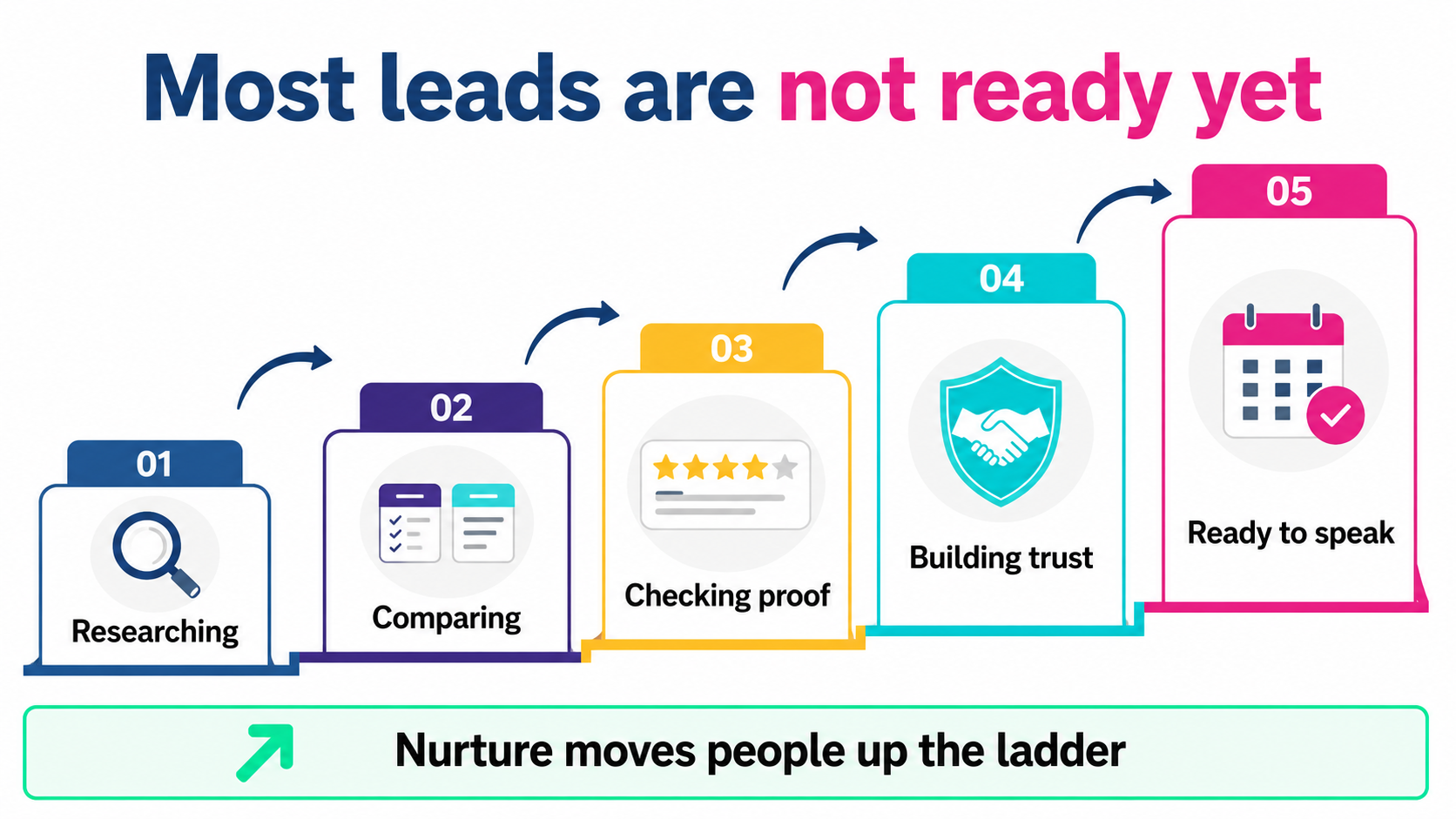
Not everyone who fills in a form is ready to buy immediately.
Some people are:
Researching options
Comparing providers
Gathering information
Exploring pricing
Looking for reassurance
Yet many businesses expect every lead to convert immediately.
That's simply not how modern buying behaviour works.
Customers want to educate themselves before speaking to sales teams.
Businesses that understand this create content, follow-up systems and nurturing sequences that guide prospects towards a decision.
Education Creates Better Leads
The more a prospect understands before they enquire, the better the quality of the conversation becomes.
Imagine two scenarios.
Scenario One:
A prospect sees an advert, fills in a form and receives a call.
They barely remember your company name.
Scenario Two:
A prospect sees your adverts for weeks.
They read your blogs.
They watch your videos.
They see testimonials.
They visit your website several times.
Then they enquire.
Which prospect is more likely to convert?
The answer is obvious.
Education improves lead quality.
Trust Is The Real Conversion Driver
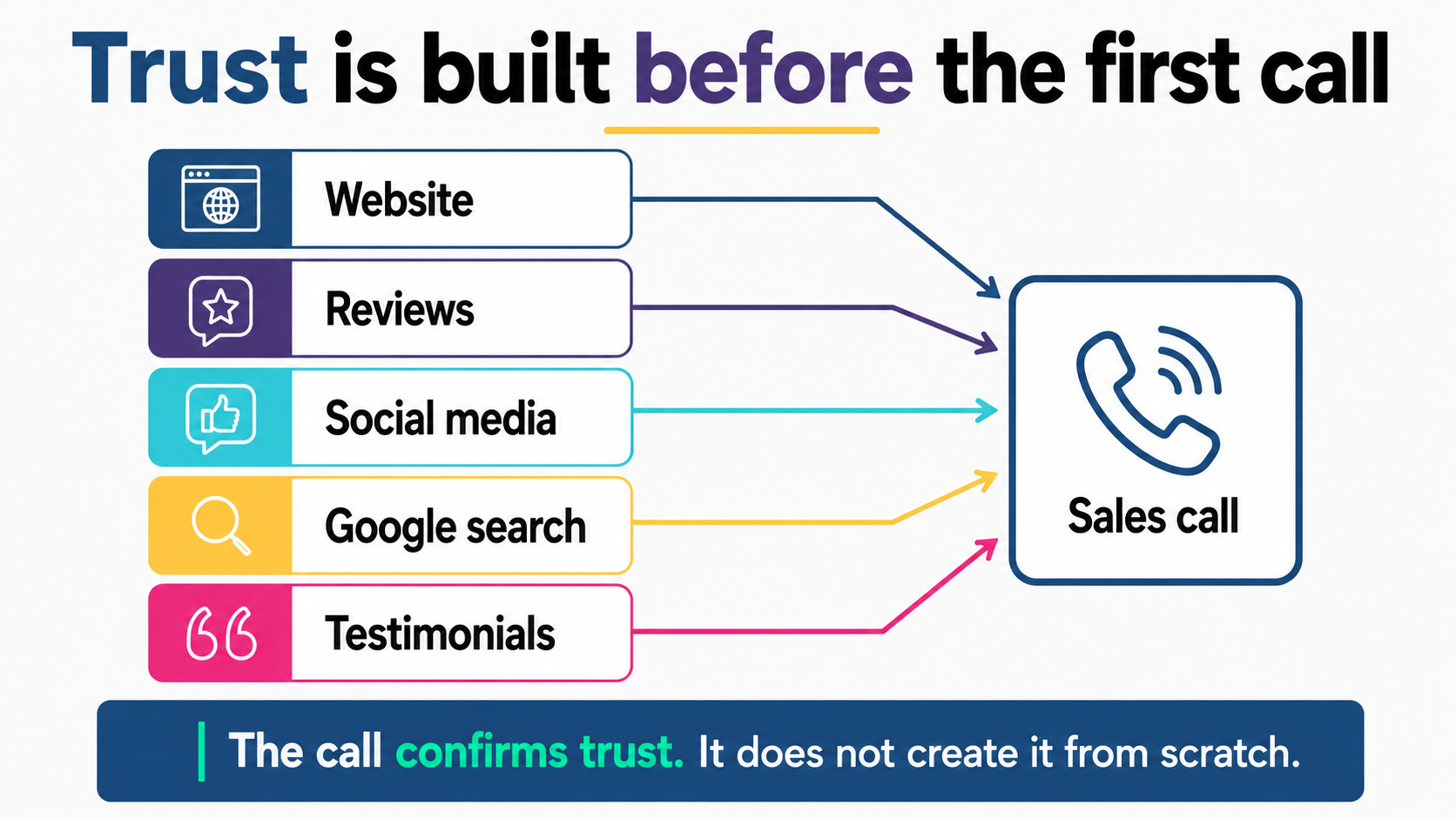
Customers buy from businesses they trust.
Before speaking to you, prospects will often:
• Visit your website
• Check reviews
• Compare competitors
• Browse social media
• Search Google
Trust building happens long before your first conversation.
Businesses that consistently create valuable content often find that sales conversations become significantly easier.
The prospect already believes you can help.
The sales call becomes confirmation rather than persuasion.
Speed Matters More Than Most Businesses Realise
A lead is most engaged immediately after making an enquiry.
Every minute that passes reduces momentum.
If a prospect submits a form and hears nothing for hours, interest begins to fade.
Fast follow-up is one of the simplest ways to improve lead quality without changing advertising.
Systems Beat Guesswork
The businesses achieving the best results don't rely on memory.
They use:
Automated SMS
Email nurturing
Appointment reminders
Pipeline tracking
These systems ensure every lead receives consistent attention.
Final Thoughts
Before blaming lead quality, look at the process surrounding the lead.
Most businesses don't have a lead problem.
They have a trust, nurturing and follow-up problem.
Fix those issues and lead quality often improves dramatically.
Because the best leads aren't necessarily generated differently.
They're converted differently.

